


 |
Belgium
General strike paralyses Brussels
Article published on the 2008-10-06 Latest update 2008-10-06 11:43 TU
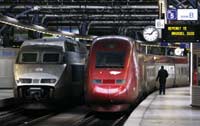
Trains in Brussels ground to a halt during the general strike
(Credit: Reuters)
Brussels ground to a virtual halt on Monday after workers in the capital and across Belgium walked out in a general strike, protesting the rising cost of living. Government offices closed and nearly all public transport was at a standstill, including international train services. Rail service in southern region of Wallonia was also stopped, while train service was sparse in Flanders.
Trade unions called a one-day strike to draw attention to the rapidly rising prices throughout the country. Liberal union CGSLB drew people to the cause by pointing out that cooking oil went up 59 per cent in 2008 alone, while natural gas prices went up by half, electricity was up 20 per cent, and food prices had risen overall 7.9 per cent.
CGSLB noted that the government had not worked to lower prices, even though the union, along with others had called attention to the problem as early as December 2007. The unions had also organized a protest of 100,000 in the streets in June, according to CGSLB, but no heed was taken.
Factories and schools also closed in Brussels, and the rest of the country followed suit. Those who weren't on strike decided to take the day off, and the streets were empty throughout the capital.
In Antwerp, Belgium's second city, daycare centres, museums and libraries were closed, while in Bruges, all public offices were shut.
In the midst of the international banking crisis, only the banks made a point of opening.
The strike occurred just one day after French bank BNP Paribas took a controlling interest in Fortis, Belgium's largest banking group.