
 |
  |

Rokia Traore's bold new sound
Striking out in a new direction on Tchamantché
Paris
19/05/2008 -
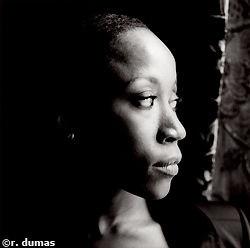
RFI Musique: At what point did you decide you wanted to move in a different musical direction?
Rokia Traoré: Things didn't happen overnight. It was a gradual process that came about as a result of various collaborations. Over the past few years I've been inundated with invitations to work on very different projects. And I've always made it clear that I wanted to break away from the musical style I'd evolved with. Personally, I think it's a shame to get stuck playing in one particular style and never change. Having said that, though, you can't really take the liberty of throwing everything up in the air no matter when. It was after releasing Bowmboi, in 2003, that I felt I'd come to the end of a certain approach. I knew one thing for sure and that was that I didn't want to go on working with the same style of orchestration. Up until then the balafon had always been the major base of my sound. But then I found I'd reached a point where I'd done all I could with it. And I thought, "Well, if I'm going to make a change, it might as well be a radical one!"
It's one thing declaring you're going to change your sound. But is it just as simple to act on that decision?
When you set out with a successful project - three "accomplished" albums - behind you and then strike out and do something different, people who have been working alongside you are generally a bit sceptical. It's not always easy to keep confidence in yourself and appreciate everyone else's state of mind without backing down on your position. It's difficult to remain calm and unshaken by it all. You can't help but think, "OK, but what if the other people are right?"
How did you set about imagining what your new album might be like?
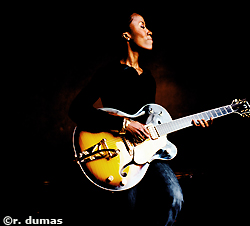
I knew I wanted an album that revolved around guitars, featuring a lot of different guitar ambiences. But before I could do that, I had to actually get familiar with the guitar again. I'd come to distance myself from the guitar over the years because I had to concentrate on working on my voice. I was also busy trying to understand the balafon and the ngoni and learning how to do arrangements. The entire time I was doing that I didn't play guitar at all. I knew I wanted to use a guitar with a fairly blues sound and I ended up coming across the Gretsch which I started composing on. After that, I had to think about what other instruments I wanted to keep around the guitar. I started thinking about what I could do with my voice and my songwriting to make a clear break with what had gone before. I wanted to have something that sounded a bit monotonous, with things repeating over and over until you ended up forgetting the monotony. I have to admit, I did a lot of writing, screwing things up and throwing stuff in the bin…
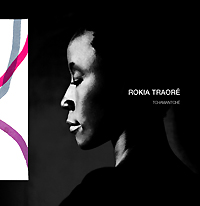
It's funny, but people often told me they weren't surprised by what I was doing, even though everything had changed quite dramatically from before. Actually, a lot of people said they'd been expecting me to do something like this all along. It doesn't sound like much, but you only need two or three people to come up and talk to you after a concert to help you find your way. And what people said made me realise that the guitar was my first instrument and that the first songs I wrote actually sound a lot like the ones on the new album. My last three albums, which revolved around the ngoni and the balafon, were totally fabricated in the sense that I made a deliberate choice to go in that direction. But what I'm doing now is no less natural. I didn't remember, though, it was my fans who reminded me of how I was in the past.
What was the greatest difficulty you experienced in the making of this album?
Well, it's one thing to decide you want a certain sound and it's quite another getting it! We got badly behind schedule looking around and trying to find someone who was ready to really put themselves at my disposal. I even began to wonder whether I'd have to agree to relinquish control of the reins a bit! The thing is, I had a very precise idea of what I wanted and I think that scared a lot of the sound engineers and producers I contacted. They like to do what they want with the music musicians bring to them, but that wasn't my plan at all. Also, I have to say that most of the producers I met believe that African artists are heading straight for disaster if they change direction and start trying to do too much of a pop style that's not their thing.
It was when I heard what he'd done on Out Of Season, the album by Beth Gibbons, the lead singer with (British trip hop group) Portishead. I thought it was just extraordinary. It doesn't sound much like my album in terms of the state of mind or the overall ambience, but I loved what Phil had done with the sound, the way he'd made the voice sound so close and given such an intimate feel to it… When I listened to the album it sounded as if the double bass was being played right next to me in my living room! The sound was very supple, very rounded. It wasn't too clean in terms of production, but then again it wasn't entirely acoustic either.
Sibiri was the first musician who accompanied me back in the '90s. I started out singing at home using pre-recorded instrumental backing, but then I realised I needed to try and sing with real instruments. We used to work together every Sunday during term time at school. He'd play and I'd sing. Sibiri was involved with a lot of different bands performing in Bamako and I looked up to him as someone who knew a lot about music culture. I always knew that I'd call upon him again one day. I never plan things, but with time I seem to end up making my ideas reality!
Rokia is currently on tour in France. Concert at La Cigale (Paris) on 10 June.
Bertrand Lavaine
Translation : Julie Street



03/04/2007 -
29/09/2003 -
12/04/2000 -